
Traveling with a criminal history

If you have been convicted of any crimes in the past, your opportunities for entering another country might be restricted. Many countries ban people who have served time in prison from entering, and while minor countries that do so often don't have the resources to find out about crimes that haven't made it to the international news, bigger countries may have them. For visas for long term visits (studying, work etc.) it's not uncommon that the destination country requires you to provide a translated statement from your country's criminal record system.
There is no single authoritative source to consult on travelling with a criminal history, nor will your experience in every country be the same (there are, after all, over 190 countries in the world) but most information can be found either on the destination country's immigration agency website, through its embassy in your homeland, or by searching legislation.
|
This article is compiled from online resources and personal experiences and gives some basic guidelines about entering certain countries, but it should not be taken as entirely reliable legal advice. If you are worried about being refused entry into a certain country due to a criminal history, contact the country's embassy and immigration authorities before you go. Not being required to declare criminal history does not mean that you are eligible to enter a certain country. |
Understand[edit]
| “ | Do you know what the Mexicans say about the Pacific? They say it has no memory. That's where I want to live the rest of my life; A warm place with no memory. | ” |
—The Shawshank Redemption | ||

Many countries do not easily welcome those with criminal backgrounds for obvious reasons, but what criminal history is relevant, and the period that must have elapsed since a conviction, varies from country to country. For some countries, particularly Canada and the US, even a minor criminal conviction 50 years ago can cause you to be refused entry, while others would require a conviction for a violent or serious crime to be refused entry. This page also lists ways (if known) to overcome a bar on entry due to a criminal history.
In general it is very difficult, if not impossible, to travel to any country if you have a record of convictions for violent or sexual crimes, repeated convictions for felonies, or a recent conviction for a serious crime. Some countries prohibit their own citizens from leaving if they have serious criminal histories. However, in general, authorities are not concerned about petty offences.
If you are on probation or parole you must follow the travel policies set by your probation officer to the letter, as leaving the country (or even your locality in certain countries) without permission will result in a violation. Generally offences committed in the destination country count more than offences committed outside of their country. The most common question on visa forms and arrival cards is if you've formerly been deported or refused entry from the country (and often whether this has happened to you in any country).
Visas[edit]
If the destination country allows you to visit by just showing up at the border with your passport (or even ID-card), unless you are wanted by the authorities, it's less likely you will have problems. If you on the other hand need to apply for a visa or something similar (e.g. the American ESTA), criminal history is frequently something they're interested in.
Requirements vary with the type of visa. All countries that issue retirement visas require a criminal background check, which is a letter from police in your home country or other places you've lived saying you have a clean record, and many countries require that for working, immigration or student visas as well. The background check might need to be notarized and even affixed with a apostille, a kind of international notarization. For a tourist visa, few if any countries check that carefully, but may sometimes ask about criminal history.
If you are asked about your criminal convictions, you must answer truthfully. Any false statements could result in a lengthy or permanent bar to entering that country, particularly the USA or Canada. Other countries, like the UK, have a concept of "spent" convictions that do not have to be declared once the conditions for "spent convictions" have been met, and that is about the only time you can get away with not disclosing a conviction. Countries with close relationships often have access to each others' criminal record databases that immigration officers can pull up; examples include the United States and Canada, Australia and New Zealand, as well as all Schengen Area and European Union countries.
Africa[edit]
Egypt[edit]
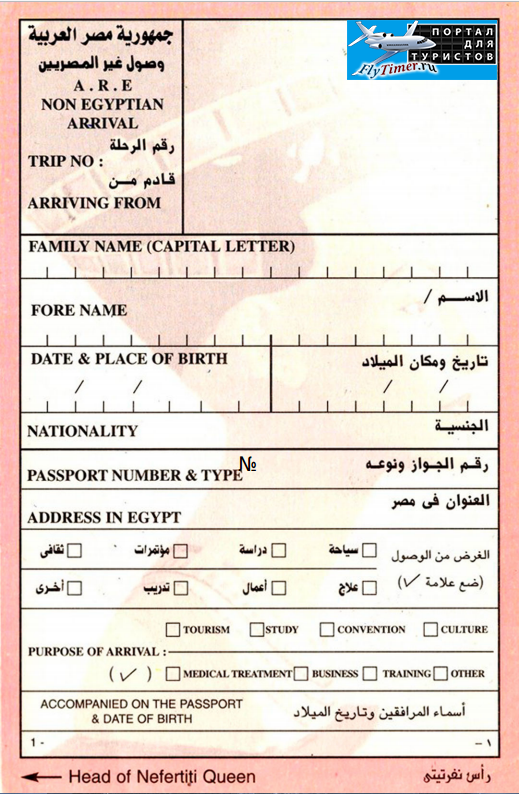
No questions about criminal history in the visa form or arrival card.
Ethiopia[edit]
Almost everyone needs a visa, but it's available as e-visa, and for most nationalities on arrival. No questions about crimes in the application form[dead link].
Kenya[edit]
Citizens of a few African countries and small island nations around the world get in visa-free, almost everyone else needs a visa, for most this means e-visa. In the visa application you need to declare "any offence under any system of law".
Tanzania[edit]
Citizens of some African countries and small island nations can enter visa-free. For those who need a visa, almost everybody can obtain it on arrival or as an evisa. The visa form doesn't have any questions about previous crimes or convictions.
Morocco[edit]
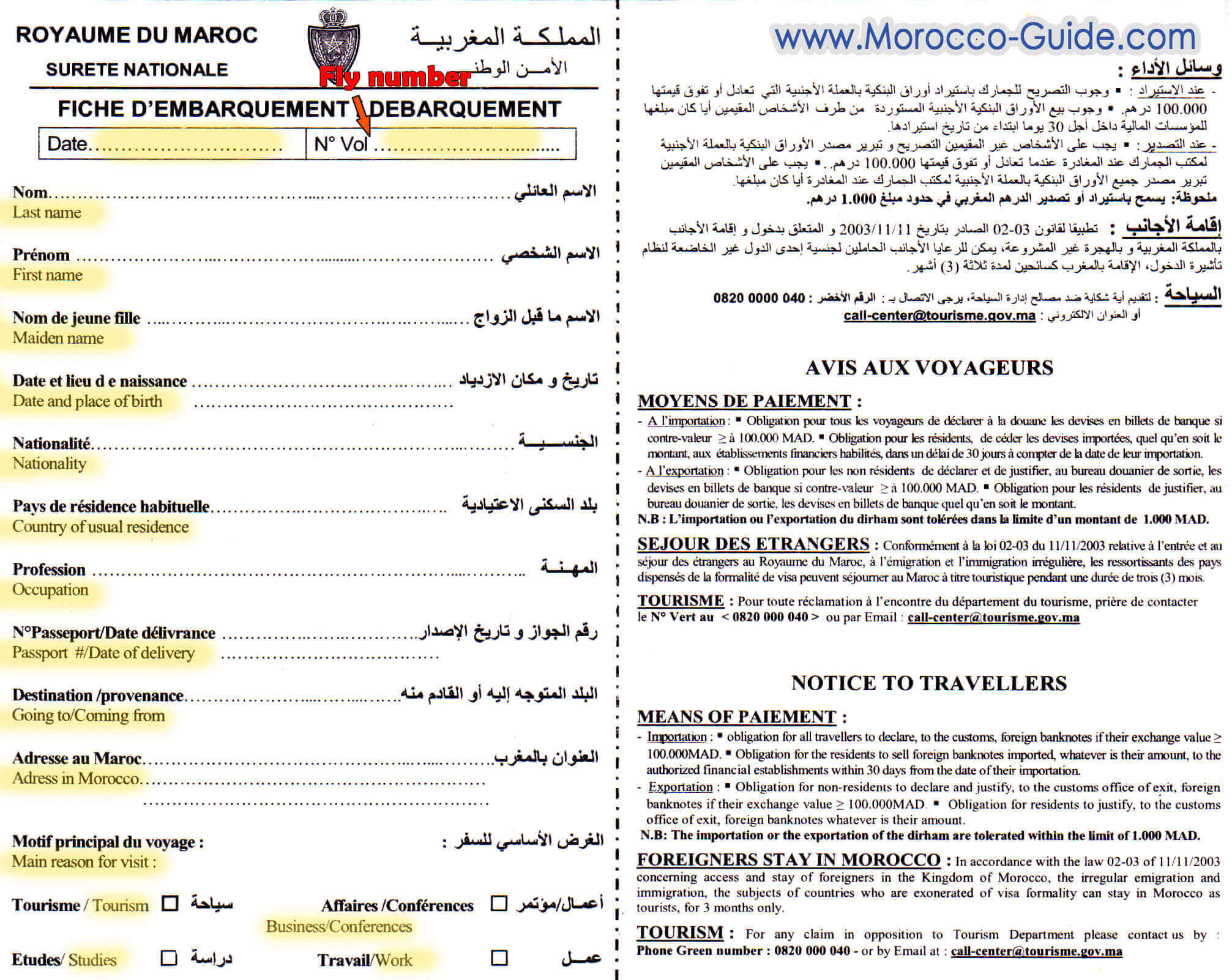
Neither the visa application [dead link] nor the arrival card has any questions about criminal history.
Tunisia[edit]
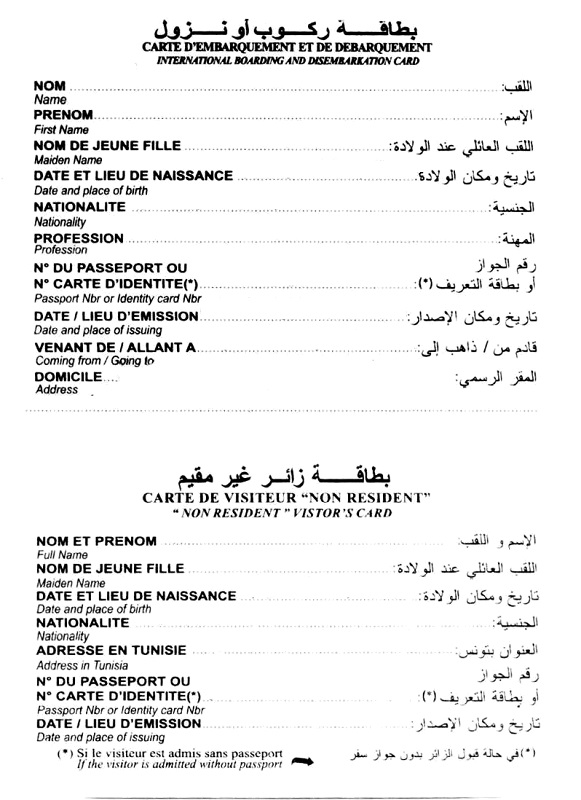
Unclear about the visa application but the arrival card doesn't include questions of this nature.
South Africa[edit]
If you need to apply for a visa to enter or transit South Africa, you must declare [dead link] former crime convictions, criminal actions that are pending against you, memberships of organizations whose activities are against the law in different ways in any country. In addition they will ask you about being removed from or refused entry into South Africa. Visitors need to complete a TC-01 traveller card when arriving; this is mostly for customs issues.
Americas[edit]
Argentina[edit]
The Argentinian visa application includes a range of questions about crimes from prostitution to genocide and jail terms of more than three years.
Brazil[edit]
No questions about your past in the entry and exit card[dead link] nor in the visa application form, but after the form is filled out you may have to schedule an interview at the embassy or consulate.
Canada[edit]
- See also: Avoiding travel through Canada

While Canada's policies on criminal record are really strict (any convictions no matter how minor or how long ago makes you inadmissible), it is possible to overcome the inadmissibility by submitting an application for "rehabilitation". This process can take a long time and requires numerous references to prove that you are in fact rehabilitated and that further offences are unlikely. If you do not want to wait that long and must go to Canada, you may be able to apply for a temporary resident permit; however, the reason must be justified and vacations are not considered a justified reason.
If you have been convicted of driving while impaired by alcohol or drugs, you will probably be found criminally inadmissible to Canada as this is an offence under Canada's Criminal Code.
Frequently Asked Questions for criminal inadmissibility to Canada
Character concerns[edit]
All potential visitors, whether applying for a temporary resident visa or requesting landing permission at the border must be of good moral character, and under Canadian law this means having a completely clean criminal history. Any offence, misdemeanour or felony, regardless of how minor or how long ago it took place could exclude you from Canada for a period of time or indefinitely. Some U.S. citizens have been turned back while attempting to drive across the border. Even former U.S. President George W. Bush needed to apply for a waiver to enter on an official state visit during his term in office because of a past D.U.I. which happened twenty-four years before that. There are a few exceptions, and if you are inadmissible because of a criminal conviction, you do have some options.
A minor misdemeanour (what Canadian law calls a "summary conviction") may keep you out of Canada for at least five years from the date you finish your sentence. More serious offences ("felonies" in US law, "indictable offences" in Canadian or British law) may require you to wait up to ten years, or in the most serious cases obtain a pardon or other civil relief locally before applying for entry. Some relatively minor infractions in other countries (minor drug possession tickets in countries where they are not handled through the criminal system, or drunk driving in jurisdictions which treat this as a simple traffic violation) are considered criminal convictions for the purpose of immigration law, as Canada's Criminal Code treats these as crimes. With the exception of crimes of conscience, even if you were prosecuted for an offence in that country which would not have been an offence in Canada, it would result in you being inadmissible. Similarly, if you committed a violation that is considered a criminal offence in Canada but not in the country in which it was committed, that would also result in you being inadmissible to Canada. Even if you were never arrested, charged with a crime or sentenced it is possible to be turned away by a border guard on suspicion of criminal activity. Additionally, you cannot enter Canada if there are current charges pending against you or a trial is under way (for obvious reasons).
Although unlikely as a visitor who meets all other entry requirements, you may also be refused if you have significant unpaid debt, have an active civil judgement against you, or have recently declared bankruptcy. This is more likely to be an issue if your nationality requires a visa to enter Canada. In these cases, you can regain your ability to enter Canada by either paying the debt in full, showing evidence of a payment plan in good standing or after a bankruptcy showing a history of financial solvency over the period of a few years.
Offences committed before the age of 18, parking tickets, local ordinance violations and crimes of conscience (such as publishing statements critical of the government in an authoritarian country) generally do not result in inadmissibility. Similarly, non-criminal traffic tickets usually do not result in inadmissibility, although if you were ever required to appear in court over a traffic violation (not simply going to court to challenge a ticket) or you accumulated enough points that your license was summarily suspended or revoked, you may be inadmissible and should contact a Canadian embassy or high counsel for advice.
Rehabilitation[edit]
If you have a single misdemeanour or summary offence on your record and it's been at least ten years since you finished your sentence, and your offence could be punishable with a prison term of less than 10 years in Canada, you may be deemed rehabilitated on arrival. Some offences are hybrid, so even some summary offences carry a possible 10-year maximum sentence meaning you cannot be deemed rehabilitated. The burden is on you, the visitor, to provide proof that you have indeed reformed and are unlikely to re-offend. Possible proof includes but is not limited to:
- Police "good conduct" reports
- Character references
- Letters from employers, pay stubs, tax returns or other documentation showing that you have steady employment
- Evidence of any educational, volunteer or treatment experience that you've completed since your conviction.
Bring everything you have that suggests you're living a stable and crime-free life. The more documentation you have and the less the officer has to rely on your word that you've turned your life around the stronger your case is for being admitted.
If you are turned away, or if your offence makes you ineligible to be deemed rehabilitated, you can apply for individual rehabilitation directly to Citizenship and Immigration Canada (CIC). Again, at least five years must have passed since you completed your sentence. An application for individual rehabilitation has onerous documentation requirements, costs between CAD200 and CAD3,000 depending on the nature of the offence and whether the application requires approval from the Minister of Justice (all except the most straightforward misdemeanour convictions do) and can take six to twelve months (there are no guaranteed processing times) to get an answer. While you can compile the documentation and submit the application yourself, both CIC and many who have gone through the process highly advise retaining an immigration attorney to complete and file the application on your behalf. If you are denied rehabilitation, there is no right of appeal, you will not be given specific reasons as to why your application was denied, and you must wait at least one year before applying again.
Temporary resident permits[edit]
If you aren't qualified for either type of rehabilitation or are turned down, another option is a temporary resident permit, a one-time waiver for an inadmissible person to enter Canada. This is not the same as a temporary resident visa, but the two can be applied for together if you are from a country requiring such a visa. These are very rarely granted - only for "exceptionally compelling humanitarian grounds" or "reasons of significant national interest".
While this has been used or abused by a politically well-connected few (including disgraced Canadian media mogul Conrad Black, who renounced citizenship) issuance of these permits is rare. Unless you're dealing with a documented family emergency, can afford to hire a really good immigration attorney or have connections in Canada (such as a Member of Parliament) who can intervene on your behalf, don't even bother applying for one of these.
Pardons[edit]
Obtaining a pardon or unconditional discharge will generally restore your ability to travel to Canada, and depending on your circumstances you may have much more luck going this route. If the crime was committed in Canada, there's a centralized process you can go through and odds of success are fairly high if you've shown commitment to turning your life around and kept your nose clean since then.
If your pardon or discharge was issued for a crime outside Canada, be sure to bring documentation to that effect with you to the border or when applying for a visa.
Financial history[edit]
Immigration authorities may perform a credit check and review your overall financial history as part of the character and risk assessment when applying for a visa or for landing permission at the border. Credit checks are not automatic for temporary visitors; they typically occur as part of a larger background investigation that results if the officer cannot ascertain your ability to support yourself. Minor issues (such as an occasional late credit card payment) are not a major concern. That being said, if you have frequent late payments, chargeoffs, liens, repossessions, or a bankruptcy, in the past few years, definitely be prepared to explain yourself (and having recent pay-stubs or other evidence of steady funds available for review is highly advised.)
On the other hand, if you are applying for any type of long term visa (such as a work or study permit) or are immigrating to Canada, your credit will be checked as part of the background investigation, and visas are occasionally denied for recent financial problems or just for having a large amount of unpaid debt, even if it's in good standing (e.g. student loans). Unless you can prove your credit problems were due to circumstances beyond your control (e.g. prolonged disability or illness, failed business venture, or identity theft) or are prepared to hire an immigration attorney, cleaning up your financial state of affairs at home prior to making plans for working or moving to Canada is strongly advised.
If you have a civil judgement against you (whether paid or not), or are a defendant in a pending lawsuit for unpaid debt, depending on the circumstances you may be inadmissible, contact an immigration attorney for advice. Additionally:
- The People's Republic of China and several Persian Gulf countries (Bahrain, Kuwait, Qatar, and the United Arab Emirates) treat default as a criminal offence punishable with a jail term.
- In the United States, apart from child support or taxes, default is not a crime. However, in many states evading collection attempts once a debt has progressed to litigation (usually by not showing up for hearings or failing to submit requested documents to the court) can lead to a criminal contempt charge, fines and a jail term.
If either situation applies, you are inadmissible and will need to go through the standard rehabilitation procedure prior to travelling to Canada. In addition to the requisite time requirement, you will also need to show that the debt in question is paid in full or satisfactory arrangements are in place to pay it.
Other concerns[edit]
Besides a criminal record, CIC lists a host of other situations that may prevent admission into Canada. While most of these shouldn't be an issue for the average traveller (e.g. previously deported, human rights violations, involvement with terrorism or organized crime), there are a few that do occasionally complicate or bar entry for visitors:
- Letters of introduction and other documentation:
- Business travellers are required by law to present a letter of introduction on corporate letterhead to immigration on arrival. The letter must follow a standardized format specified by CIC and contain a statement of financial support. CBSA is very serious about this requirement and refusals for not having a letter are common.
- If visiting friends or family, you are not officially required to have a letter of introduction, although having something in writing (even an informal e-mail) from your host with their contact information is helpful, should immigration decide to verify your story.
- Tourists should be prepared to provide details about their itinerary - places of interest, hotels that will be stayed in, etc. Having this information (including addresses and phone numbers for hotels) printed out ahead of time is strongly advised.
- All visitors may be asked to show that they have confirmed travel arrangements for departing Canada, as well as "binding ties" to their country of origin or residence (such as a family, job or university studies to return to).
- Health concerns: If you have a serious or chronic condition, and the immigration officer has to consider whether you could end up burdening Canada's healthcare system during your visit, you may be found medically inadmissible.
- It's possible to overcome a medical refusal by obtaining an exam from a nominated physician and have them certify that you will not burden the healthcare system. If this applies to you, the immigration officer will give you the required paperwork along with further instructions.
- Obtaining medical insurance that will cover you in Canada, while good advice for all, may especially help in borderline cases.
- Support funds : If asked, you will need to prove you have enough funds to support yourself and dependants while in Canada.
- For Western tourists, a valid major credit card (not a debit, ATM, or bank card - which may not even work in Canada) usually satisfies this requirement.
- If you do not have a credit card, a recent bank statement or pay-stub is also acceptable.
- Inadmissible family members can also result in your admissibility being called into question. That being said, this is discretionary and rare, and depending on the reason for your family member's refusal it may or may not affect you. If your relative was denied entry because they:
- have health, financial, or credit problems - your admissibility is unaffected.
- have a criminal record - you may be found inadmissible, although in practice this almost never happens unless your relative's crime made national news headlines.
- are a human rights violator or a known member of an organized crime, terrorist, or hate group- you're inadmissible, call a lawyer.
As a general rule, admissibility and rehabilitation decisions cannot be appealed beyond a supervisory review at the visa office or border. The only exception is if you can prove the decision was based on wrong information (for example you were acquitted of a crime, but that fact was never properly recorded.) That being said, you are usually allowed to apply again once any specific issues relating to a refusal have been corrected, once the requisite time has passed for rehabilitation, or one year after being denied rehabilitation.
Exception for British Citizens[edit]
Citizens of the United Kingdom who have convictions considered "spent" under the 1974 Rehabilitation of Offenders Act do not have to apply for "rehabilitation", as they are automatically pardoned under the 1991 Federal Court of Appeals case[dead link] Canada (Minister of Employment and Immigration) v. Burgon, [1991] due to the similarity of the two countries' legal systems. Guidance issued to border officers in the ENF14 /OP 19 Criminal Rehabilitation Manual specifies: "the UK Rehabilitation of Offenders Act automatically pardons eligible individuals without the person having to apply [for Rehabilitation], if the person has been sentenced to a term of imprisonment of less than 30 months". However, some exceptions to this rule have been witnessed.
Chile[edit]
No questions related to criminal history in the visa application.
Cuba[edit]
Nationals of a few countries get in visa-free, but almost everyone else can enter on a tourist card [dead link] (effectively a simple visa) where you're asked about little more than your name, birth date and passport data.
Dominican Republic[edit]
A considerable number of nationalities including virtually all first world and Western Hemisphere countries can get in visa free (purchase of tourist card is needed). Visa applications[dead link] have no questions related to criminal history.
Mexico[edit]
There aren't any questions about a criminal record in the Mexican visa application, nor in the FMM (arrival card).
If your passport reveals a criminal record when scanned, however, you may be denied entrance to the country.
Peru[edit]
In general, visitors from the Americas, Europe, Oceania and some Asian countries get in without a visa. On the migration card there aren't any questions related to criminal history, neither is there on the visa form.
United States[edit]
The United States of America is generally very strict with criminal records, no matter how minor or how long ago it has been. They do not have any concept of "spent" or "pardoned" convictions, meaning you must truthfully answer any questions about criminal convictions even if your convictions have been spent or pardoned in your country. For citizens of any country who are eligible for the Visa Waiver Program, being convicted of any crimes, having proceedings pending, or even a previously refused visa makes you ineligible for the visa waiver program! Similarly, Canadian and Bermudian citizens, who ordinarily do not require visas to enter the United States, may be refused entry on the grounds of previous criminal convictions.
There are numerous crimes that render you ineligible to enter the US. The two main categories are:
- crimes involving moral turpitude, and
- aggravated felonies.
There is only a loose definition of crimes involving moral turpitude, but generally, it includes crimes that make a person seem untrustworthy, such as fraud or rape, rather than "honest" crimes, like getting into a fistfight. The actual penalty for the conviction does not matter. If you declare a crime involving moral turpitude, then you will probably be deemed 'permanently ineligible to enter the USA'. It is possible to apply for a waiver of permanent ineligibility after a period of time.
Being convicted of an aggravated felony is even worse, though just like crimes involving moral turpitude, these also have a loose definition, therefore the offenses can change over time. This used to include murder and smuggling drugs or guns, and has since been expanded to include things like bribery, human trafficking, and kidnapping people for ransom. There is absolutely no relief, and anyone deported or excluded for this reason cannot enter the U.S. until all court-ordered punishment has been completed and an additional 15 years have elapsed.
Consular staff will interview you to determine the seriousness of your offense and evaluate evidence of rehabilitation. Once granted a waiver, you can obtain a visa (usually one year at first). As a holder of a waiver you can expect long delays in secondary processing at the U.S. border, even with a visa in your passport.
An exception to this is "purely political offenses." Since the U.S. has freedom of speech to criticize the government, people from other parts of the world are given a pass on this type of conviction. However, you must report all crimes on the visa forms, and note anything that wouldn't be a crime in the U.S.
Do not attempt to enter the US if you have been previously deported without a proper visa! Doing so is a felony under US law (8 U.S. Code § 1326), and is punishable by up to 2 years in prison, or, in certain circumstances, 20. Do not lie about your convictions when questioned, as chances are they will find out. The US conducts extensive security checks on all visa applicants.
Visa Office Advisory Opinions[edit]
US immigration law is extremely complex, and consular officials often issue decisions without time to fully consult the technical issues of a case, before pushing applicants to pursue a waiver. Although officials benefit from the "sovereignty" of not having their finding of the facts legally questioned, if you are denied a visa it is possible to seek a legal review of the decision if you believe the consular official misapplied the law. You or your attorney may request the US Visa Office in Washington study the case and issue an Advisory Opinion[dead link] on the inadmissibility finding. The results of the opinion are binding on the embassy or consulate receiving the advice, and are often shorter (6-8 weeks) than the waiver process (6-18 months) which may not be relevant.
Asia[edit]
Cambodia[edit]
Visitors from outside Southeast Asia will need a visa, though for almost everyone this is available on arrival. On the visa form there are no questions related to criminal history.
China[edit]
Article 21 of the Exit and Entry Administration Law of the People’s Republic of China denies Chinese visas to many kinds of aliens, and Article 25 of the same law bars many kinds of aliens from China, including those "(m)ay endanger China’s national security or interests, or disrupt social and public order, or engage in other illegal or criminal activities". Those who may be affected should consult the nearest Chinese consular offices before travelling.
Entry may also be denied even if the traveller is not prosecuted. This is the case when some Hong Kong travellers who were arrested for public order offences during the protests but not charged in court were denied entry and have their Home Return Permit revoked.
Transit passengers of many countries are allowed a few days in major cities, but other than that almost everyone needs a visa to enter China. In the visa form, you're asked about a criminal record in China or any other country, and you need to give details if you reply yes.
For a work visa, you will need to provide a criminal record check. A certificate from your local (e.g. county-level) jurisdiction will probably be sufficient, but will need to be notarized and apostilled; see Working in China for more.
Hong Kong[edit]
Unlike China, few nationalities need more than a passport and a filled in arrival card to get into Hong Kong, where you just need to fill in personal and passport data and where you will stay. Also the visa application has no questions on previous crimes.
There are also no provisions regarding criminal history in the Immigration Ordinance, though it seems that immigration officials have the sole discretion of approving or denying inbound travellers.
India[edit]
Virtually everyone needs a visa to enter India, to be applied for electronically. contains questions about previous crimes [dead link].
Indonesia[edit]
Few nationalities need a visa to visit Indonesia, and the arrival card has reportedly been abolished too, so most visitors apparently don't need to declare anything about your past in writing.
Iran[edit]
Any arrests or convictions need to be declared and explained when applying for an Iranian visa.
Israel[edit]
Nationals of countries in the Americas, Europe and Oceania and a few others can enter visa-free. In the visa form you need to declare that you haven't committed any criminal offence.
Japan[edit]
Article 5(1)(iv) of the Immigration Control and Refugee Recognition Act[dead link] prohibits any person who have been sentenced to imprisonment or imprisonment without work for 1 year or more, except for political crimes.
In the Japanese visa application there are several questions related to a criminal history; convictions of a crime in the first place, sentences to imprisonment of a year or more, deportation, drug offenses, prostitution and trafficking of people, in any country. If you can enter with just a passport, you will need to fill in a disembarkation card (like when arriving in many other countries) and there too you need to declare previous convictions.
Macau[edit]
Similar to next door Hong Kong, most visitor need a passport and a simple arrival card with things like name, passport number and address in Macau.
However, according to Law 16/2021, non-local residents who have been sentenced to imprisonment in or outside Macau may be denied entry to Macau.
Malaysia[edit]
Having being sentenced to any jail term is one of the things that will get you labeled as a "prohibited person" per section 8 of the Immigration Act 1959/63. Nevertheless, visitors are not asked about this in the visa application[dead link], and most nationalities don't need a visa anyway. Disembarkation cards have been abolished.
Nepal[edit]
People of almost all nationalities need a visa, but can get it on arrival or online, no crime-related questions asked in the form[dead link].
Philippines[edit]
Most nationalities can get enter the Philippines without a visa. Like most arrival cards, the Philippine doesn't have questions about criminal convictions, neither does the visa form.
However, section 29 of the Philippine Immigration Act prohibits "persons who have been convicted of a crime involving moral turpitude" from entering the Philippines.
Singapore[edit]
Like Hong Kong, almost everyone can get in without a visa. The Disembarkation/Embarkation Card visitors need to fill in doesn't have any questions about previous crimes.
However, section 8(3)(d) of the Immigration Act 1959 lists those that have been removed or convicted for a sentence of imprisonment as potential undesirable immigrants, and entry may be refused.
South Korea[edit]
Unlike China and Japan, the visa application includes no questions about criminal history. A considerable number of nationalities get in with just a passport and the arrival card doesn't have any such questions.
Taiwan[edit]
Article 18 of the Immigration Act allows the government of the Republic of China to bar aliens from Taiwan for not only criminal history anywhere but also for many other reasons, like serious diseases or the risk of endangering national interests, public security, public order. Please consult the nearest Taiwanese consular offices before travel. Trying to enter Taiwan with visa exemption or landing visas may result in being refused entry and asked to apply for advanced visa before reentering Taiwan, or even banned from Taiwan in the worst cases. Even if already admitted into Taiwan, being found indeed inadmissible risks deportation per Article 36 of the Immigration Act.
Thailand[edit]
Per the Immigration Act of Thailand B.E. 2522 (1979), any jail term except for a petty offence, negligence or something excepted by Ministerial Regulations will disqualify you from entry. You don't have to declare this on the visa application form nor on the TM.6 arrival card.
United Arab Emirates[edit]
In the UAE visa application you need to declare your profession, and the biggest issue seems to be people coming in to work without a job permit. On the other hand, there aren't questions regarding crimes.
Vietnam[edit]
Generally a visa is needed to enter, but some Western European and most nearby countries can get in visa free. No questions about previous crimes in the visa form, except for business visas..
Europe[edit]
Schengen Area[edit]
The rules for the European Union, specifically the Schengen Area, regarding character concerns are relatively lax. Questions about criminal convictions are not asked when applying for a Schengen visitor/business visa and border agents (there are no landing cards for data entry) usually don't ask any questions about this either.
If any officials or forms ask you if you have a criminal history you still have to answer truthfully but, in general, if it's not more than 3 years of imprisonment, or crimes involving alien smuggling or drug offences that resulted in more than 2 years of imprisonment, then they will not refuse you entry or a visa on those grounds. Countries like Germany do have specific rules that state anyone convicted of an offence relating to public order with a sentence of more than 3 years, a drug offence with a sentence of more than 2 years, and any offence related to alien smuggling are subject to deportation. Like the UK, they are more concerned with offences committed in their country, rather than outside of the EU. Do not lie in any visa application or when answering questions to officials, because in Germany this lie will mean you can then be deported. Not all countries have the same rule regarding character concerns, so some EU countries may be more lax, however Germany is known to be a rather strict country so it is a good guideline on rules for the EU.
In Schengen visa applications, there doesn't seem to be a question about any criminal past. Nevertheless, this might come up in a visa interview, and the ETIAS[dead link] system which is going to be implemented early 2021 for visa-free visitors to the Schengen area (similar to for example the American ESTA) reportedly will include background checks with questions related to criminal records, deportations and such by Frontex.
Ireland[edit]
Citizens of most countries in Europe and the Americas and a few countries elsewhere in the Eastern Hemisphere can get in visa free. No crime-related questions in the visa form.
Russia[edit]
The shorter variant of the Russian visa application form[dead link] is applicable to most nationalities who need a visa, and there applicants are just asked about their planned trip, current employer and relatives in Russia. The more extensive form[dead link] is for UK, US, Canadian, Australian and Georgian citizens and there applicants have to report former arrests and convictions among others. According to the visa form replying in affirmative to such questions don't automatically mean you don't get a visa but you may have to go to the consulate for an interview.
Turkey[edit]
On the Turkish visa form there are no questions about criminal history, other than having being deported from Turkey. People that are deemed to pose a public order, security or health risk can be refused entry.[dead link]
Ukraine[edit]
Nationals of most first world countries (but not Australia and New Zealand), countries from the former CIS and some Latin American countries are allowed in visa-free, the rest need to apply for a visa (e-visa for most Latin American and many Asian countries). The visa form [dead link] doesn't include crime-related questions.
United Kingdom[edit]

Character requirements for the United Kingdom are considerably stricter than that of the Schengen area.
The United Kingdom has a concept of "spent" convictions - this act has recently been updated so check these: application forms[dead link]. Immigration officers wishing to exclude or remove someone on the basis of a criminal conviction must prove that the offence is not spent and therefore the person is not rehabilitated. A conviction is "spent" if more than 10 years has passed since imprisonment (if any) between 6 and 30 months. Any imprisonment over 30 months cannot ever be spent and therefore will always count against you. Imprisonment of less than 6 months or fines have an even shorter rehabilitation period (around 5 years or less).
The immigration officer wishing to deport you, or refuse entry on the basis of criminal conviction must prove that your convictions have not been "spent". The burden of proof is on them, not you, so if you were refused entry due to a criminal conviction chances are your offence is not spent. If the offence is spent, then you don't even have to tell them about it and they cannot use it against you even if they do know. For consecutive prison sentences the rehabilitation period would begin at the time you were last in prison, unless the sentence is over 30 months.
Oceania[edit]
Australia and New Zealand[edit]
These countries are rather strict regarding character concerns but Australia specifically says "in the last 10 years" on entry literature since Commonwealth of Australia legislation specifically regards as "spent"[dead link] convictions that are more than 10 years old (you also should not have been sentenced to imprisonment for more than 30 months and you've not re-offended (even in a minor way) during the 10 year (5 years for juvenile offenders) waiting period and a statutory or regulatory exclusion does not apply. For an Australian work visa, you'll need to get a background check from every country you've lived in for 12 months or more during the past ten years.
While New Zealand does have a clean slate scheme, immigration is specifically excluded from the scheme. That means when applying for a visa or entering New Zealand, you must declare your full criminal record including all spent convictions. Character issues[dead link] can bar you from entering New Zealand. These include having ever being sentenced to a jail term of 5 years or more, or for 12 months or more during the last 10 years. You'll also be refused entry if you've been deported from any country or are deemed likely to commit crimes or otherwise pose a risk if you're let in.
There are already other concerns that are just as strict such as being deported from any country (New Zealand), health concerns like being HIV positive or even having cancer or diabetes, that can result in a visa being denied, entry refusal or deportation.
While citizens of Australia and New Zealand are generally free to travel to each other's countries and stay indefinitely with full-time employment rights, entry may still be denied on the basis of previous criminal convictions.